
Product Detail
Water and energy-saving products
Water-saving components for washbasin, kitchen, and shower programs help OEM teams balance lower consumption, reliable comfort, and cleaner specification decisions.
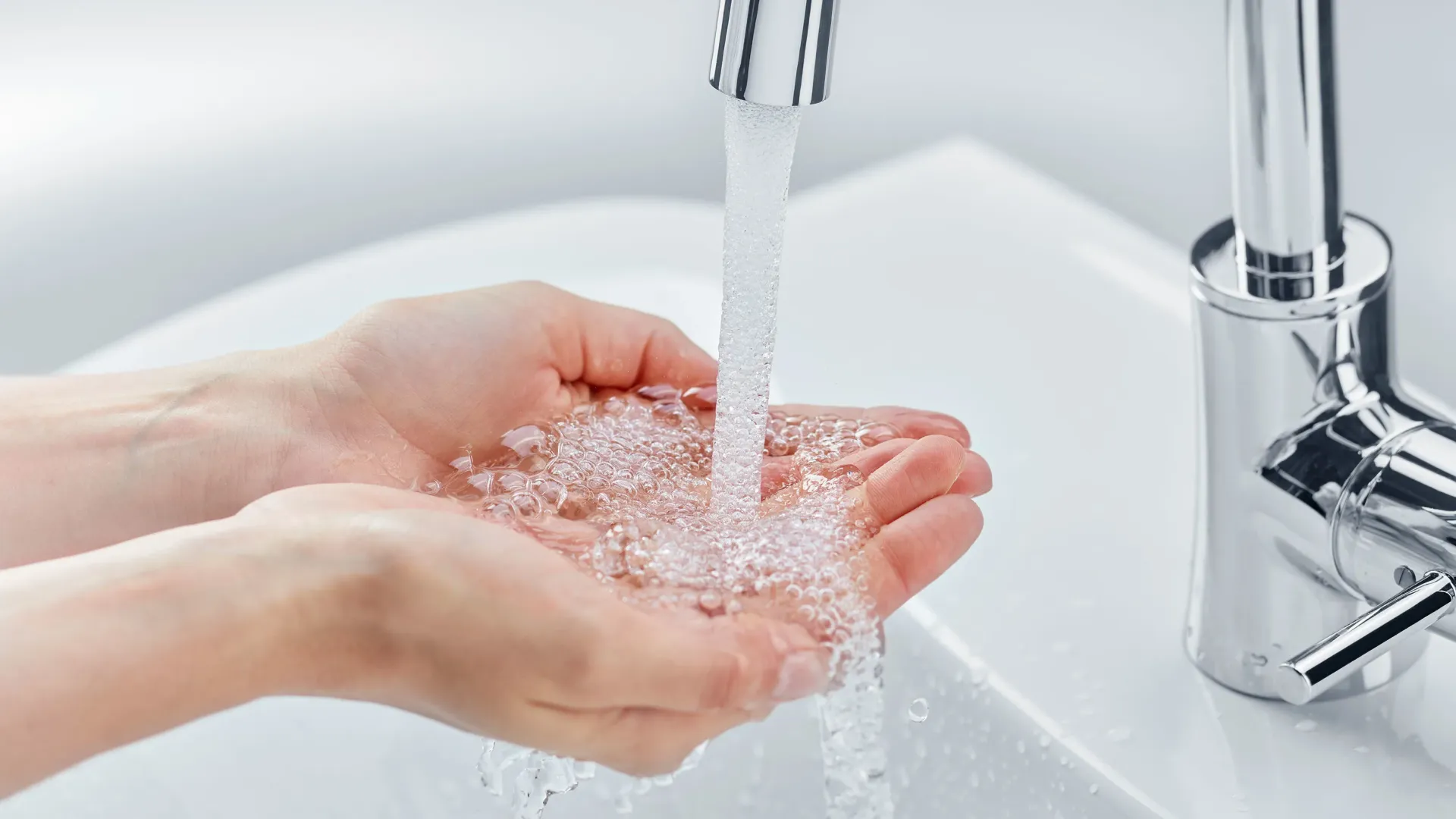
Overview
Great savings potential
Water-saving product concepts can reduce water demand at the fitting while also supporting lower hot-water use in relevant applications. This makes them useful for product lines that need a stronger sustainability story without turning into a spec-heavy catalog page.
Application focus
Washbasin faucets, kitchen faucets, and shower programs.
OEM fit
Suitable for category planning, sampling, and quote-led sourcing conversations.
Product Description
A broader product story for sourcing, specification, and sales use
Water and energy-saving products are not only functional inserts for reducing flow. In a complete product program, they help brands, distributors, and OEM teams define a clearer market position around efficiency, sustainability, and day-to-day user comfort. For many applications, the real value is not just lower water consumption at the outlet, but the ability to shape a product line that responds better to current buyer expectations, regulatory pressure, and long-term environmental goals.
In washbasin and kitchen applications, these products can support a more controlled and efficient water pattern while preserving an experience that still feels natural in use. In shower programs, they can help reduce water demand in high-frequency usage scenarios without making the overall offer feel stripped back or low grade. This balance matters for B2B customers, because the buying decision is usually not made on savings claims alone. Buyers also need confidence that the final product will remain commercially viable, comfortable in daily use, and compatible with the broader direction of the range.
From a product architecture perspective, water-saving components also create a practical bridge between category planning and detailed model development. They give teams a way to structure product categories, define application-led differences, and introduce higher-value positioning through efficiency narratives that are easier to communicate across sales, sourcing, and project discussions. That is why this kind of page should do more than show isolated parts. It should explain how the range fits into a broader specification path, what kinds of product lines it can support, and where it can lead into future detail pages, certification content, or formal quote conversations.
Application Highlights
Three practical product cards for key use scenarios
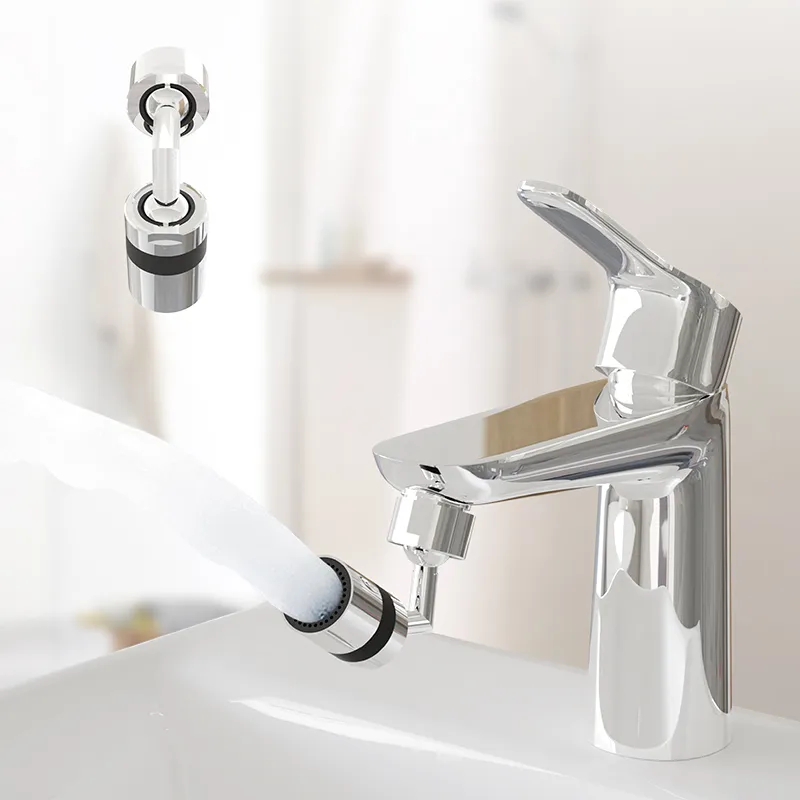
Water savers for washbasin faucets
Water-saving faucet aerators are available in different constructions and can be selected according to installed technology, intended comfort level, and target flow rate. For bathroom and guest-washroom applications, this product direction helps build a cleaner and more efficient everyday faucet offer.
Typical product positioning can focus on balanced rinsing performance, efficient water use, and a better fit for modern sustainability-led specification projects.
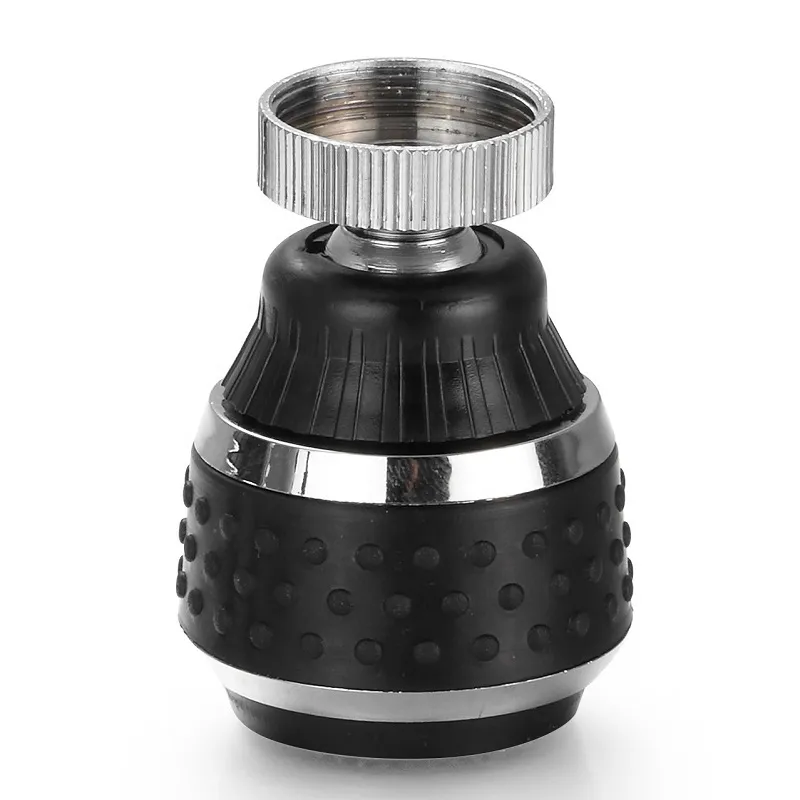
Water savers for kitchen faucets
In kitchen environments, water-saving concepts need to stay practical. Product selection should consider frequent use, cleaning routines, and the need to retain a comfortable water pattern even when improving efficiency.
This makes kitchen-focused components especially useful for OEM ranges that need a stronger efficiency narrative without losing mainstream user acceptance.
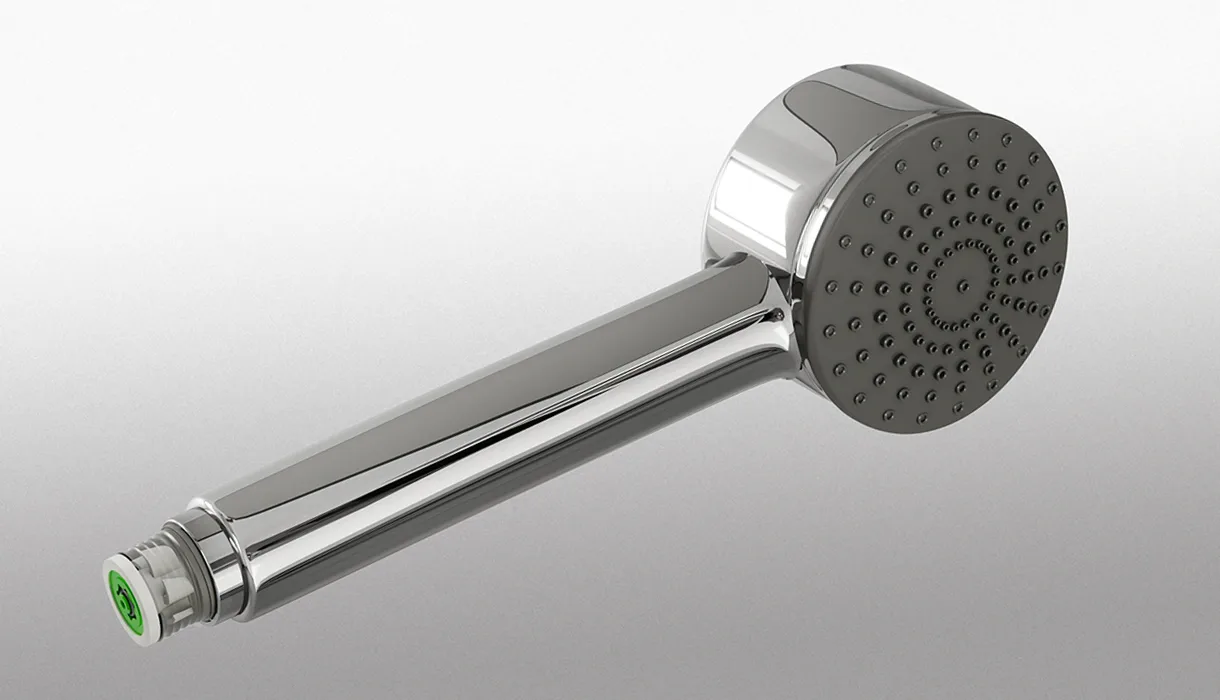
Water savers for shower applications
Shower programs often need a careful balance between water reduction and a comfortable user experience. Flow-saving components can help brands and project teams improve efficiency while keeping the product offer credible and pleasant in everyday use.
This category is a strong candidate for future detail-page expansion, especially when the site starts separating hospitality, residential, and project-specific solution paths.
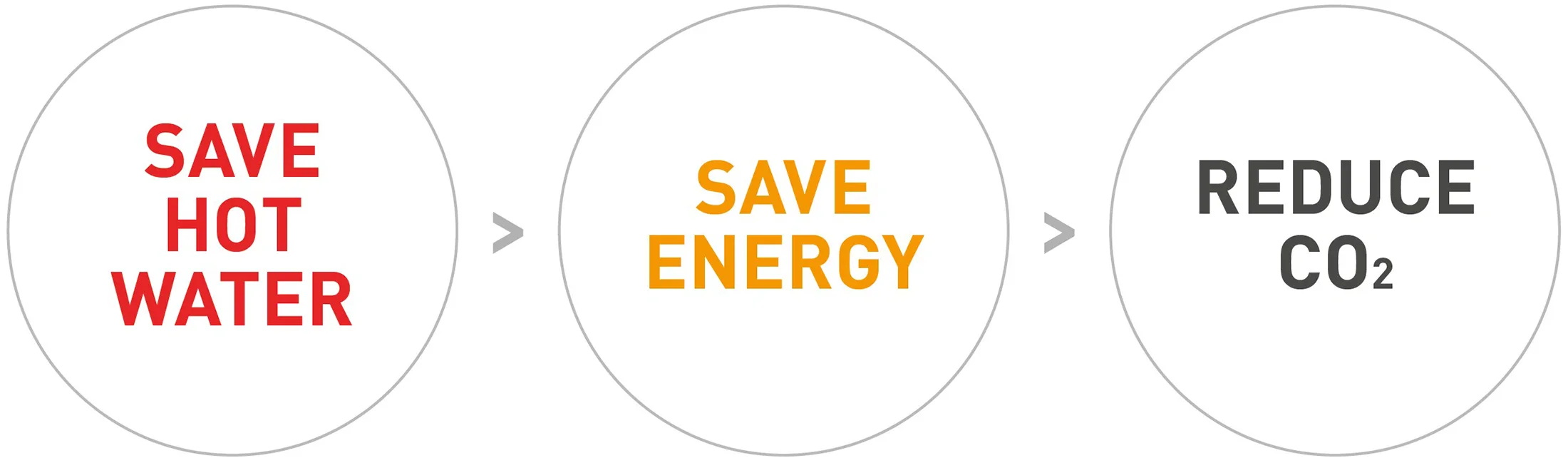
Save hot water
Lower flow can also reduce hot-water demand where heated water is used.
Save energy
Energy load can improve when heating demand is reduced together with water use.
Reduce CO2 impact
Lower water and heating demand can support more climate-conscious programs.
Climate Protection
Benefits that connect usage, energy, and environmental impact
Useful for specifications where comfort and consumption need to stay balanced.
Flow optimization can support broader efficiency goals in frequent-use spaces.
Lower resource demand creates a clearer sustainability narrative for buyers.
Discover
Water-saving products at a glance
Washbasin faucets
- Aerators and flow-control components for everyday faucet programs
- Designed for efficient rinsing with a clean visual water pattern
- Suitable for brand, distributor, and OEM sourcing conversations
Kitchen faucets
- Water-saving options for practical, high-frequency kitchen use
- Helpful when product lines need efficiency without losing usability
- Good fit for overview pages, category pages, and quote-ready detail pages
Shower
- Flow-optimized shower components for comfort-led efficiency upgrades
- Useful for hospitality, residential, and distributor-led programs
- Clear entry point for future detailed product pages and variants
Technology
Build the product story around function, not only parameters
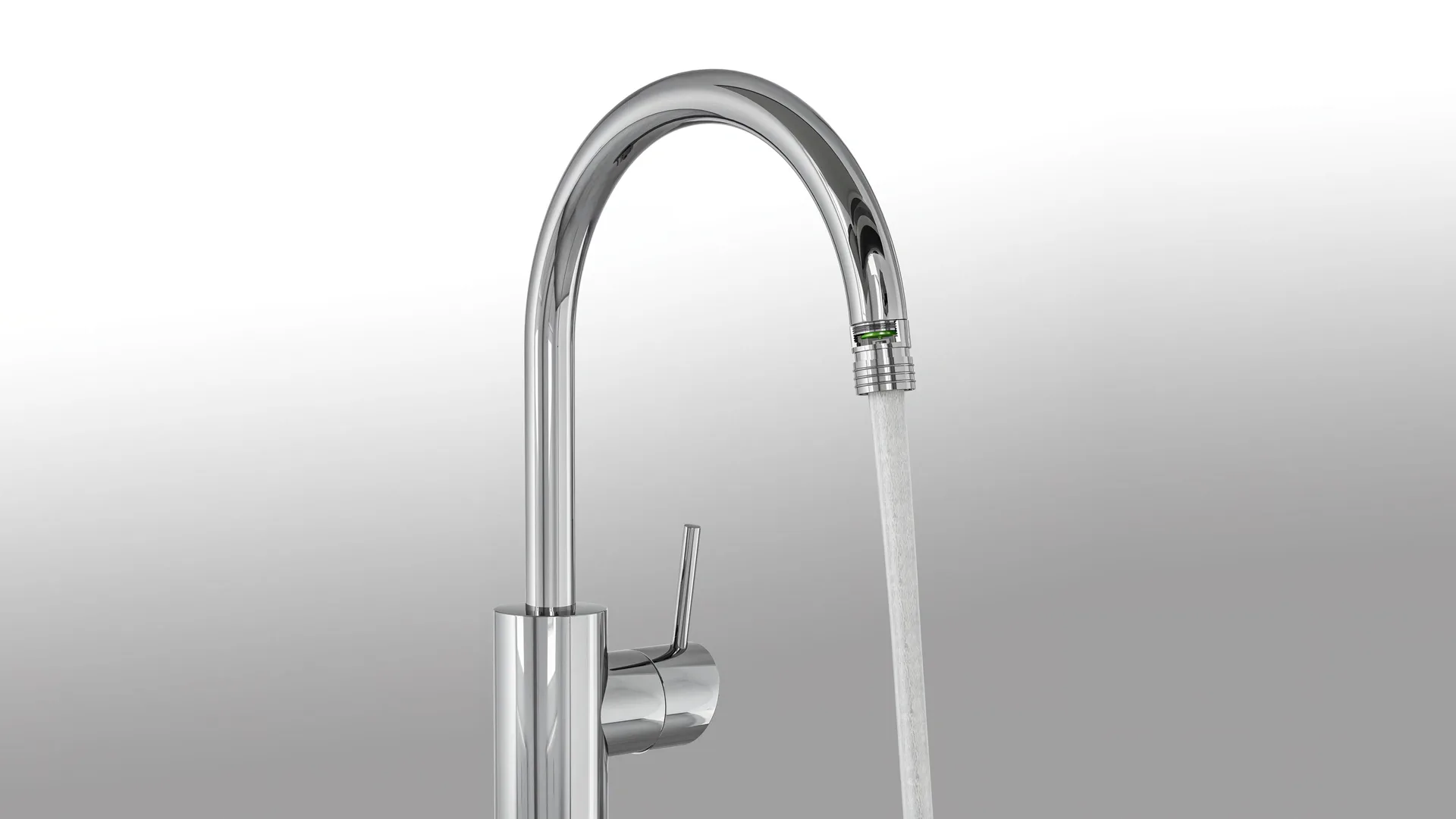
The first release should explain why these products matter in real sourcing and application terms: flow regulation, comfort retention, efficient water patterns, and easier product-line positioning.
Flow regulation
Support more consistent water-saving behavior across different applications.
Comfort retention
Maintain a more user-friendly water experience while lowering consumption.
Range flexibility
Useful across category pages, featured products, and future product details.
OEM readiness
Helps teams align product planning, sampling, and formal inquiry flow.
Life Cycle Assessment
Position the range with practical sustainability logic
How to frame the value
A strong product detail page should connect lower water demand, lower hot-water use, and a more credible environmental story, then route the visitor into a quote.
Specification notes
- State the target application clearly.
- Explain the functional benefit before adding future technical tables.
- Reserve room for certifications, downloads, and model-level expansion.
Request a Quote
Need a matching water-saving product path for your project?
Use this page as the first featured product detail entry, then extend it with future models, certifications, and downloads as the product system grows.